Bonn Climate Change Conference
LGMA Zero Draft Position released for consultation
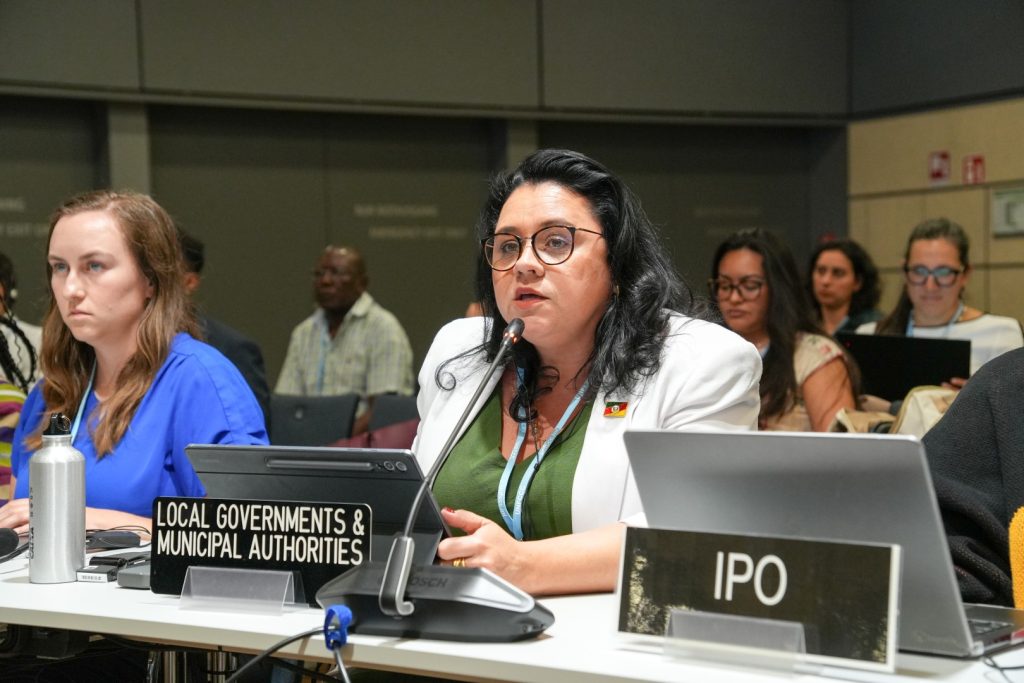
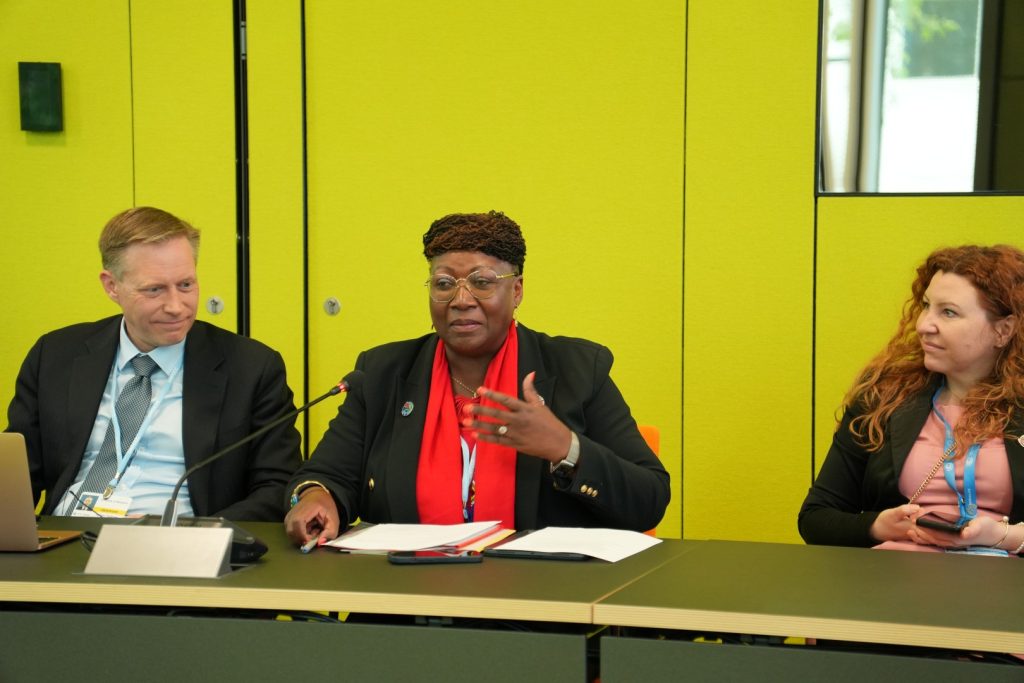
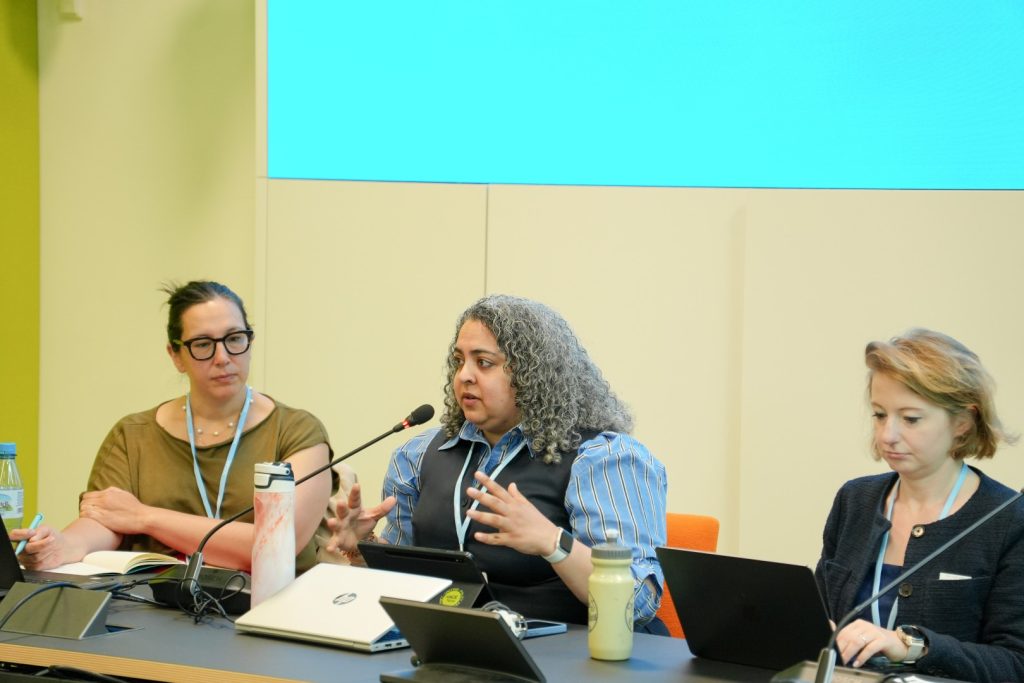
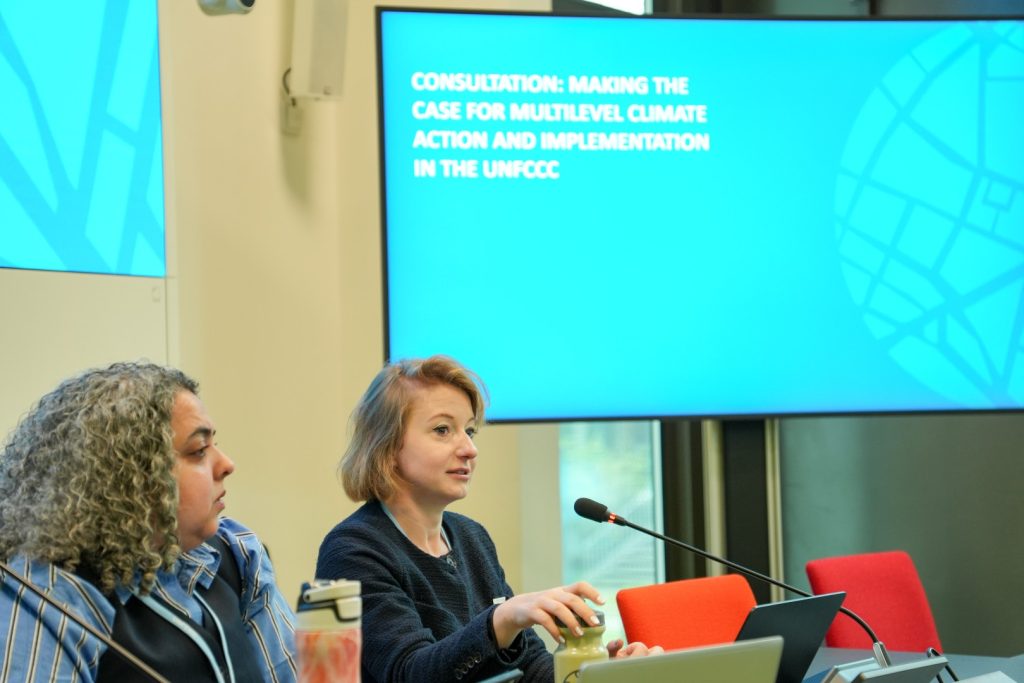
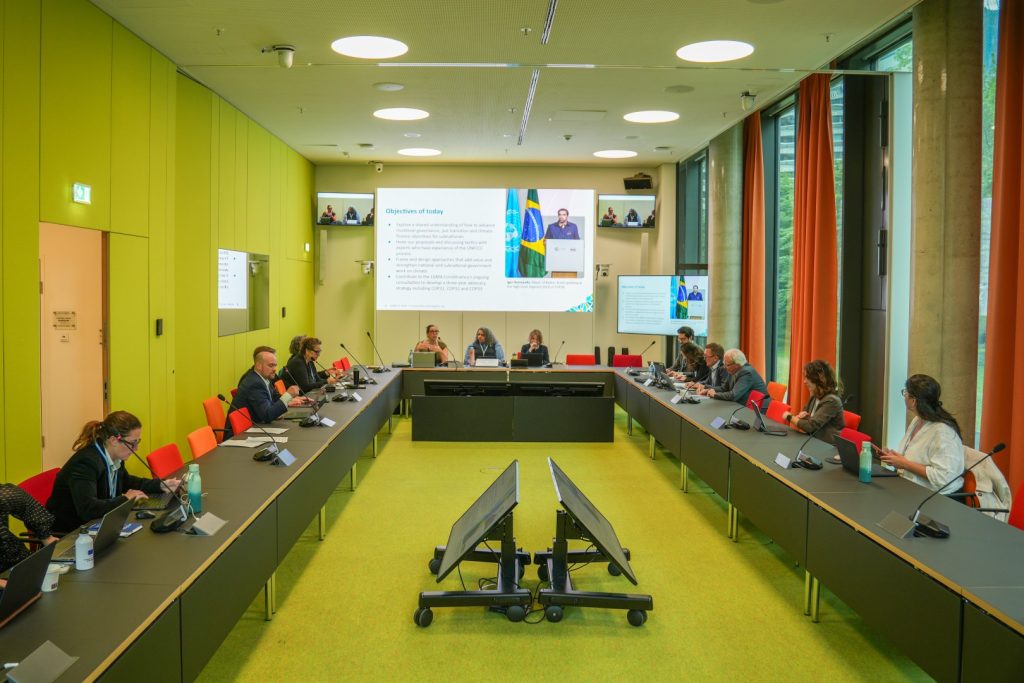
The LGMA Constituency opened the Zero Draft advocacy Position for consultation ahead of the Bonn Climate Talks. The Constituency used this draft as the basis for consultations with parties and interventions within the negotiations. This initial Position covers multilevel governance, just transition, and climate finance ahead of COP31, COP32, and COP33.

From Belém to Bonn: Putting implementation to the test
Every June, climate negotiators gather in Bonn for the mid-year sessions of the UNFCCC Subsidiary Bodies. These talks are where COP decisions are translated into workplans, outstanding issues resolved, and the political direction for the next COP begins to take shape.
SB64 arrives at a critical moment. Following COP30 in Belém, the global climate process has entered an implementation phase, with NDCs 3.0 in motion, the Just Transition Mechanism newly established, and the COP30 Presidency Roadmaps on fossil fuel transition and deforestation still being shaped. Meanwhile, the COP31 Presidency of Türkiye is beginning to set its agenda.
For local and subnational governments, Belém delivered mixed results. Recognition advanced, but the mandated framework that would formally place cities, states and regions at the heart of implementation did not materialize. SB64 is the first opportunity to begin closing that gap.
What the LGMA was watching for at SB64
Just transition: Subnational governments must be in the room
The Just Transition Work Programme (JTWP) and the newly established Just Transition Mechanism were both active at SB64. Across its submissions to both processes, the LGMA’s core demanded that subnational governments have an equal seat in the Mechanism’s governance, and the final JTWP outcome include explicit reference to multilevel governance and the role of cities and regions. COP30 omitted this language from paragraph 12 of the JTWP decision.
Climate finance: Subnationals need direct, predictable access
The Climate Finance Work Programme held a non-Party stakeholder engagement session at SB64. The LGMA’s message was straightforward: Advances in scaling climate finance will only deliver impact if they reach the governments on the frontlines of implementation. Subnational governments need direct, programmatic, and accessible pathways to climate finance, not indirect mentions in national frameworks.
Multilevel governance and urbanization: Consolidating the gains
Following COP30, multilevel governance language is now embedded in several UNFCCC outcomes. The LGMA worked to deepen these references through its interventions across negotiation tracks, including the GST-NDC Dialogue and consultations with the incoming COP31 Presidency. With CHAMP now counting 78 national endorsers, representing 36% of the global population, the model for co-developing more ambitious NDCs with subnational governments is ready to scale.
Fossil fuel transition: Local action needs a multilevel roadmap
A dedicated session at SB64 gathered inputs on the COP30 Presidency Roadmap on transitioning away from fossil fuels. For the LGMA, the most effective transition pathway is inherently multilevel, connecting local communities, subnational governments, and national authorities in a coherent framework. Cities, states and regions must also be supported in developing their own fossil fuel phase-out plans, aligned with NDC reviews. The transition is already happening at the local level; the Roadmap must reflect and leverage that momentum.
LGMA interventions at SB64
-
LGMA statement at SB64 Closing Plenary
18 June 2026 LGMA Statement at SB64 open-ended consultations on COP 31 vision and priorities Delivered by Ariel Dekovic, ICLEI Head of Global Communications and Engagement / LGMA Focal Point
-
LGMA statement at SB64 open-ended consultations on COP 31 vision and priorities
16 June 2026 LGMA Statement at SB64 open-ended consultations on COP 31 vision and priorities Delivered by Karishma Asarpota, Senior Officer, Climate Action, ICLEI
-
LGMA statement at SB64 mitigation ambition and implementation work programme
15 June 2026 LGMA Statement at SB64 mitigation ambition and implementation work programme Delivered by Karishma Asarpota, Senior Officer, Climate Action, ICLEI
-
LGMA statement at SB64 Just Transition Work Programme
13 June 2026 LGMA Statement at SB64 Just Transition Work Programme Delivered by Marta Stencel, Senior Manager, Just Transition Advocacy, C40 Cities
-
LGMA statement at SB64 Global Implementation Accelerator
12 June 2026 LGMA Statement at SB64 Global Implementation Accelerator Delivered by Rachel Levesque, Senior International Relations advisor, Government Quebec, Canada
-
LGMA statement at SB64 climate finance work programme engagement workshop
12 June 2026 LGMA Statement at SB64 climate finance work programme engagement workshop Delivered by Luis Saenz, Head of Finance Advocacy and Policy, C40xGCoM
-
LGMA statement at SB64 Transitioning Away From Fossil Fuels Roadmap
12 June 2026 LGMA Statement at COP30 TAFF Roadmap Delivered by Casimir Legrand, Senior Manager, Subnational Engagement, Diplomacy and Policy, C40 Cities
-
LGMA statement at SB64 Belém Mission to 1.5 Consultation event
12 June 2026 LGMA Statement at SB64 Belém Mission to 1.5 Consultation event Delivered by Nehmat Kaur, Director of Under2 Coalition and Subnational Governments
-
LGMA statement at SB64 implementation of the Baku to Belém roadmap to 1.3T
11 June 2026 LGMA Statement at SB64 implementation of the Baku to Belém roadmap to 1.3T Delivered by Luis Saenz, Head of Finance Advocacy and Policy, C40xGCoM
-
LGMA statement at SB64 Just Transition Work Programme Contact Group
11 June 2026 LGMA Statement at SB64 Just Transition Work Programme Contact Group Delivered by Marta Stencel, Senior Manager, Just Transition Advocacy, C40 Cities
| 8 Jun, Mon | 9 Jun, Tue | 10 Jun, Wed | 11 Jun, Thu | 12 Jun, Fri | 13 Jun, Sat | 15–18 Jun | |
| Official SB64 | Opening plenary (LGMA statement) | Action Agenda launch; Veredas Dialogue (Part 1) | UAE Dialogue on GST (Day 1); Veredas Dialogue (Part 2) | UAE Dialogue on GST (Day 2); COP31 Presidency townhall with observers | Climate Finance workshop; Fossil fuels roadmap session; Belém Mission to 1.5 consultation | ES townhall with observers | Expectations for COP31 (LGMA intervention); GST-NDC Dialogue; Closing plenary |
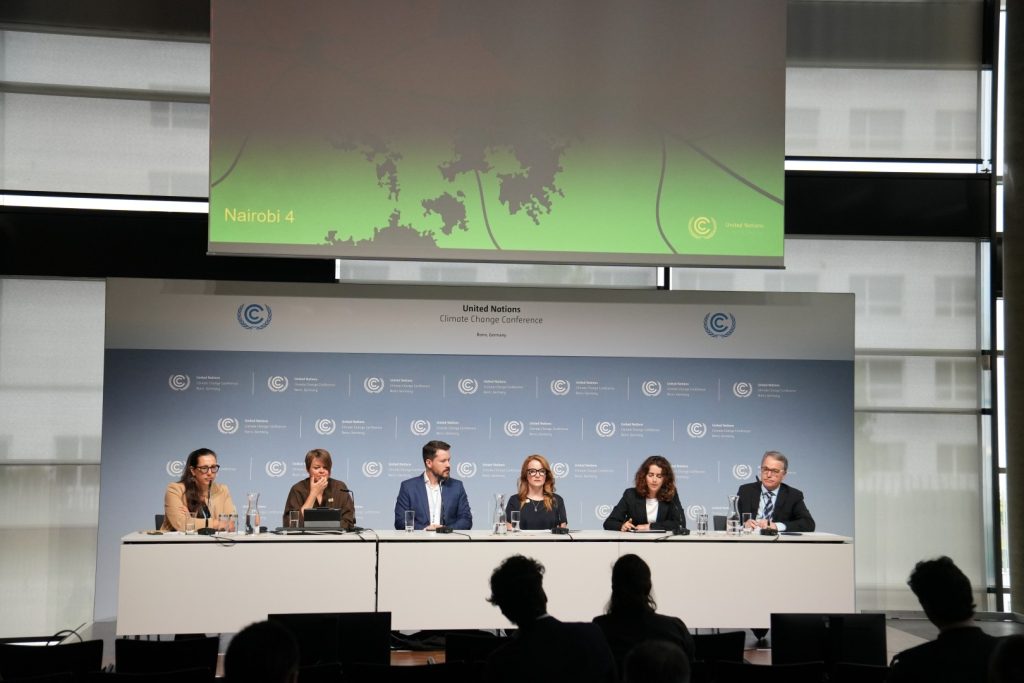
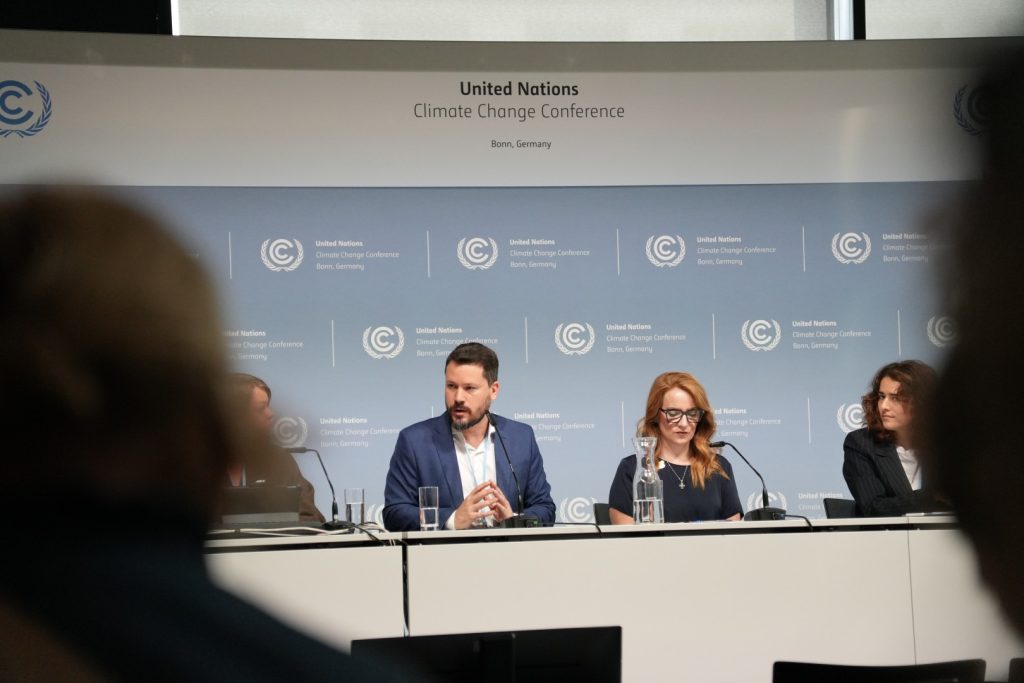
| LGMA | LGMA SB64 briefing | LGMA Press Conference | LGMA Joint Position consultation; Local Climate Action and Health roundtable | Implementing NDCs in cities: Showcasing local leadership for equitable and multilevel climate action | |||
| COP30 Presidency / Incoming Presidency | Action Agenda launch | CHAMP focal points dialogue | COP31 Presidency townhall | Fossil fuels roadmap session; Belém Mission to 1.5 | COP31 logistical briefing | Open-ended consultations on COP31; Bilateral with incoming COP31 Presidency |
LGMA submissions to SB64 processes
The LGMA has submitted formal views to several processes active at SB64:
- Just Transition Work Programme (JTWP) — February 2026: Views on elevating the ambition of the JTWP key statements and operationalizing the Just Transition Mechanism, with a focus on multilevel governance and a just transition away from fossil fuels.
- Just Transition Mechanism — March 2026: Detailed proposals on governance, functions and thematic priorities for the new Mechanism, calling for an equal seat for subnational governments from the outset.
- JTWP 5th Dialogue — April 2026: Views on just transition pathways for food security, agriculture and oceans, highlighting the role of urban and regional food systems.
- COP30 Presidency Roadmap on the transition away from fossil fuels — 2026: Subnational case studies and recommendations for a multilevel fossil fuel transition framework.
- COP30 Presidency Roadmap on halting and reversing deforestation — 2026: Recommendations on multilevel forest governance, Indigenous Peoples’ rights, and subnational implementation.
Daring Cities 2026 Bonn Dialogues
Held alongside SB64 from 10–12 June, the Daring Cities 2026 Bonn Dialogues brought together local and regional leaders, national governments, and global partners to engage directly with the policy processes and implementation challenges being discussed in the negotiating rooms.
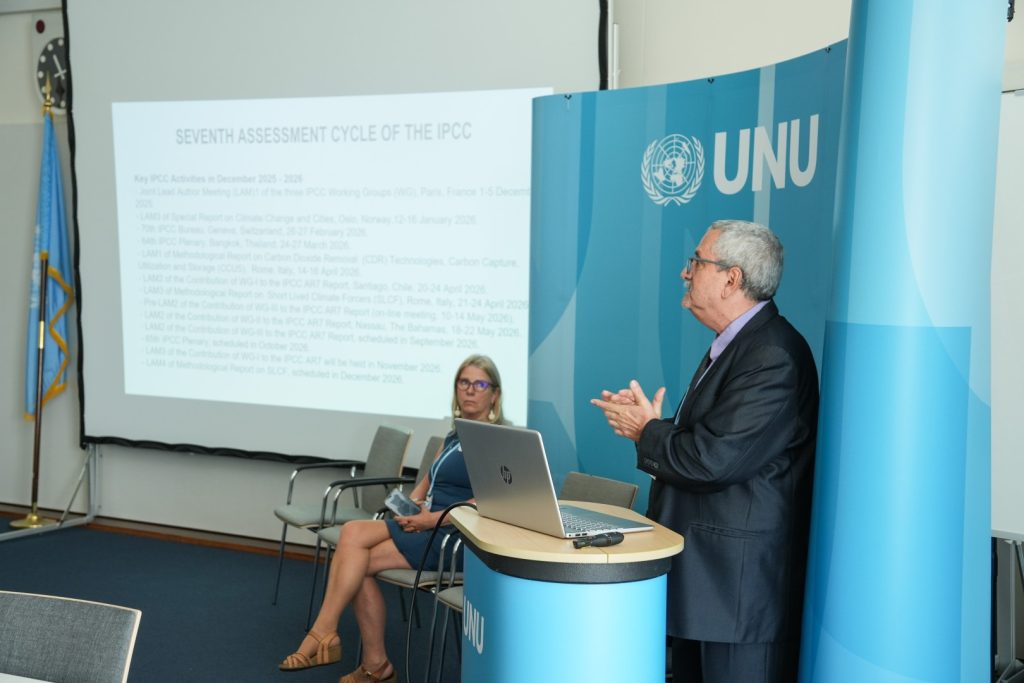
These Dialogues were organized around the defining challenges of the post-COP30 moment: advancing NDC 3.0 implementation through multilevel action; building momentum ahead of the IPCC Special Report on Climate Change and Cities, expected in 2027; and strengthening the finance, partnerships and governance needed to scale what is already working.
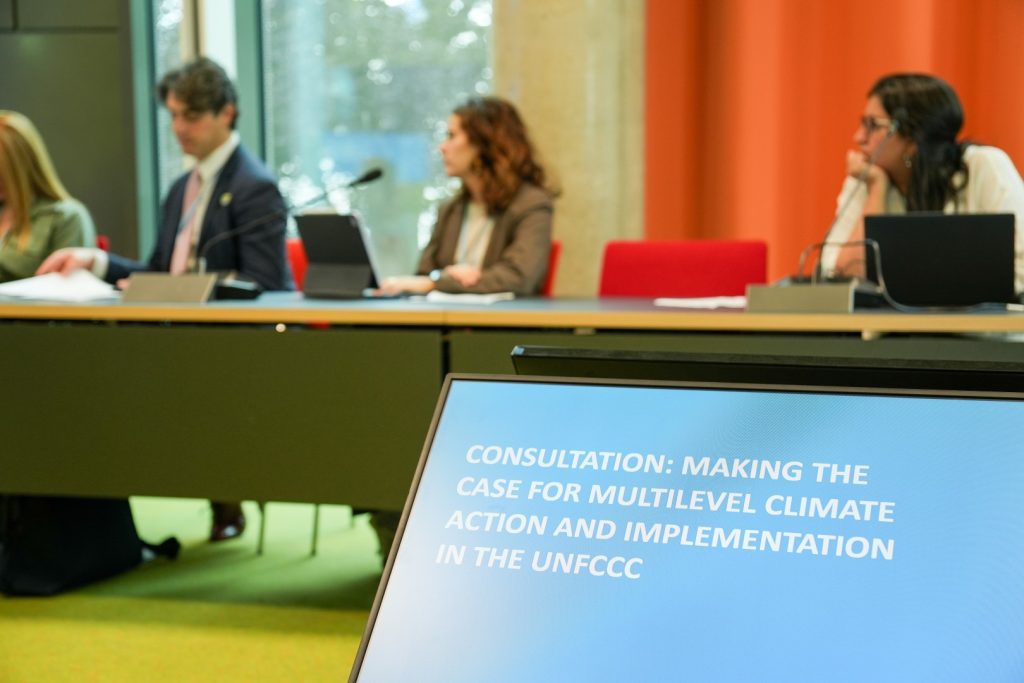
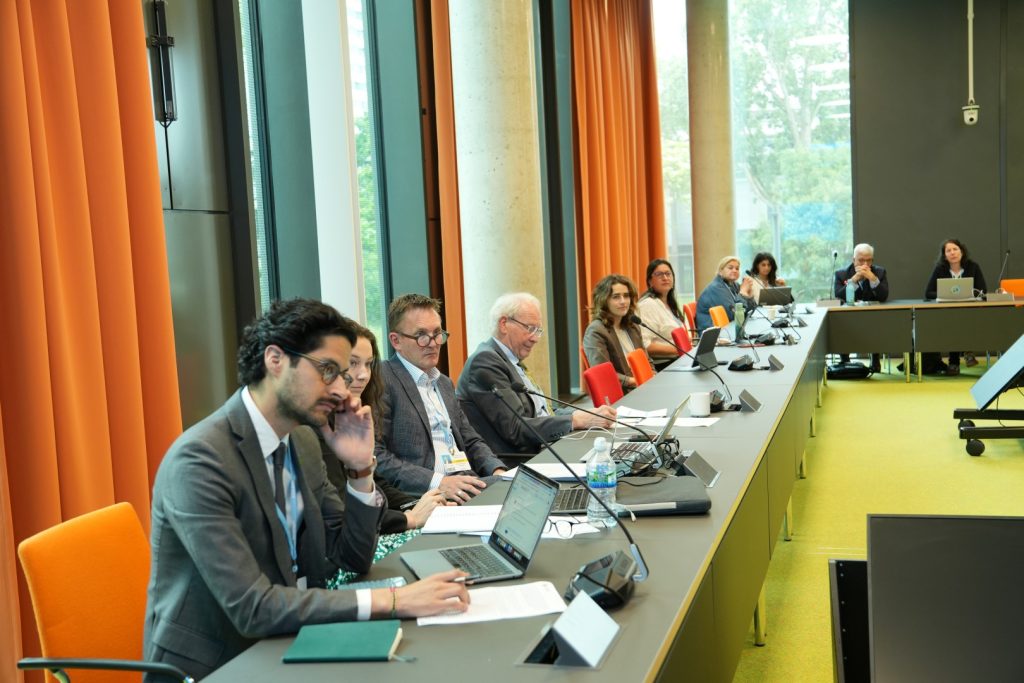
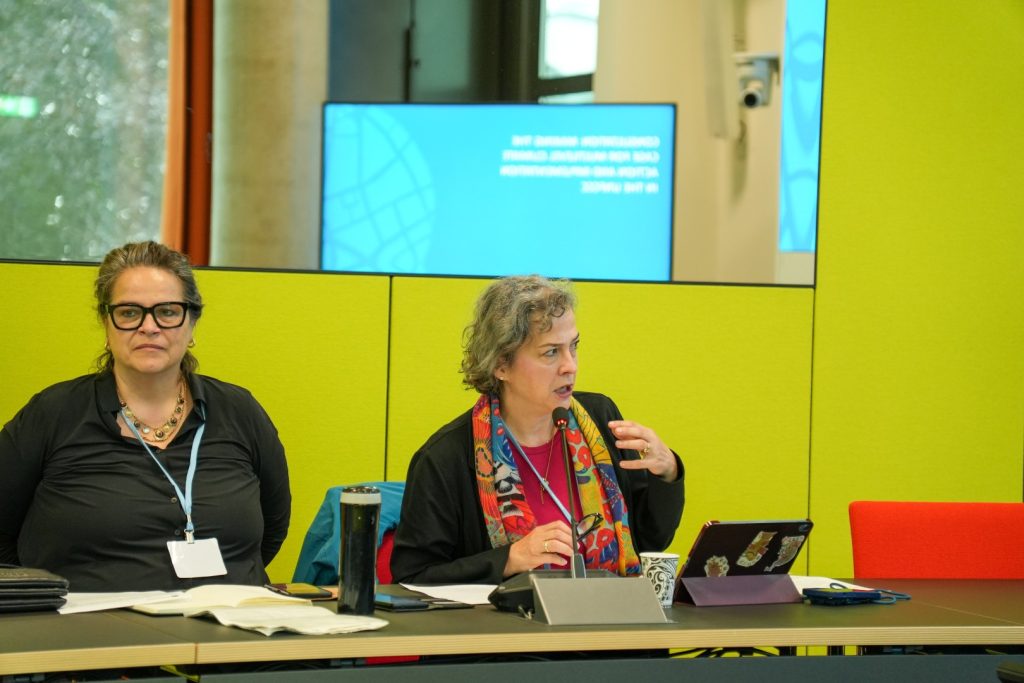
The Daring Cities 2026 Bonn Dialogues included the LGMA Joint Position consultation, which will shape the Constituency’s priorities for COP31 in Antalya, Türkiye.